
TOP RATED LOCAL® CREDIT CONSULTING
Where To Begin? How To Start Addressing Your Debt

Just how many Americans struggle with debt every day? According to Debt.org, a national survey found that over 340 million Americans carry some form of debt. The study goes on to break down the types of debt that most people carry — much of it is either a result of credit card spending or healthcare debt.
No matter the type of debt, the consequences of failing to pay back debts on time can truly manifest themselves in your credit score. Dealing with debt can be overwhelming and stressful, but it doesn’t have to be. If you have debt, it’s important to take the time to assess your financial situation and create a plan to help you manage and pay off your debt. A few simple steps can help you start addressing your debt and get back on track to financial freedom. At 360 Credit Counseling, we specialize in helping people get out of debt and start on the road toward a renewed credit score. If you’re struggling, get in touch with us today to get started.

Step 1: Assess Your Financial Situation
The first step in addressing your debt is to assess your current financial situation. This means taking the time to review your income, expenses, and debt. In particular, it’s important to know how much money you make each month, how much you are spending, and how much you owe. Knowing this information will help you create a budget, prioritize payments, and develop a plan for paying off your debt.

Step 2: Create a Budget
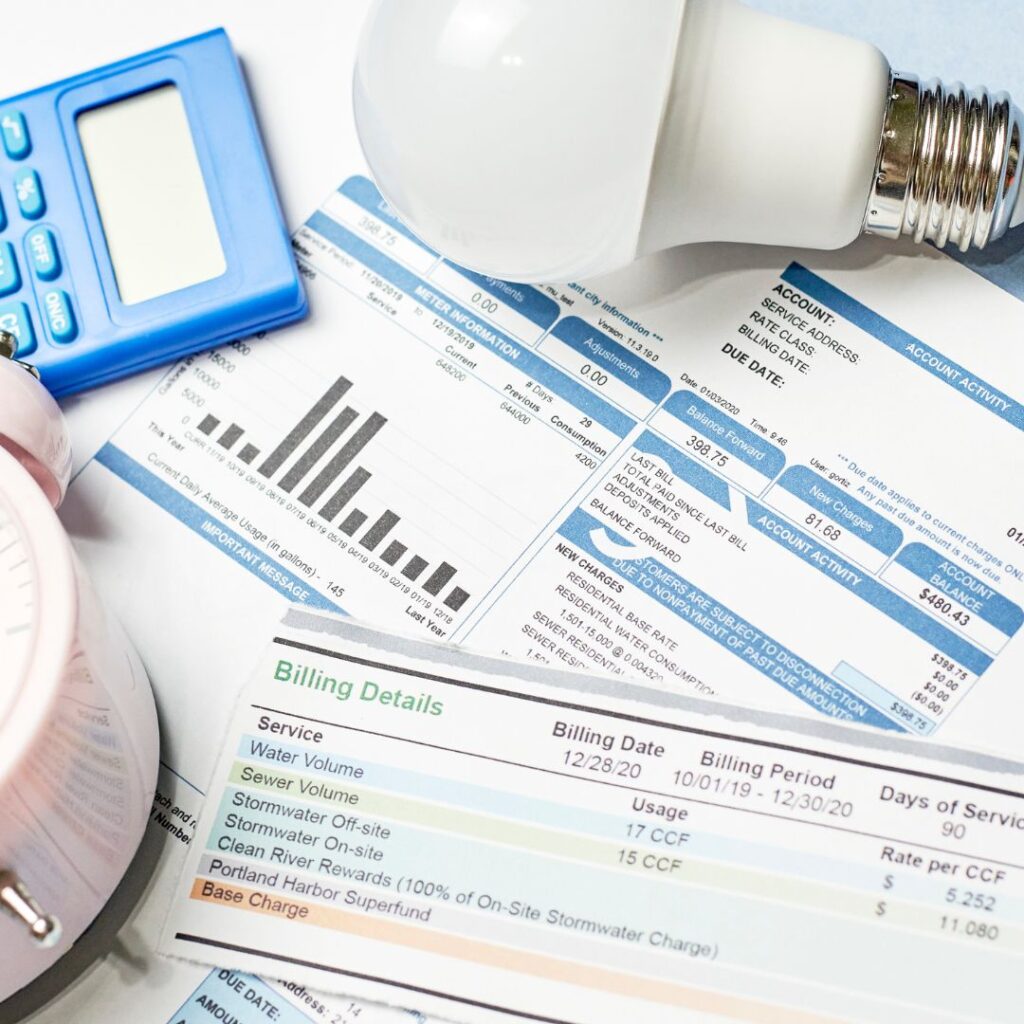
Once you’ve assessed your financial situation, you’ll want to create a budget. This will help you track your income and expenses each month and make sure you’re spending within your means. When creating a budget, make sure to include all of your necessary expenses such as rent or mortgage payments, utilities, car payments, and any other bills that you have to pay each month. We call these recurring charges or financial obligations. Additionally, you’ll want to factor in things like food and other miscellaneous expenses. Once you’ve created a budget, it’s important to stick to it and use it to track your expenses each month.
Step 3: Prioritize Your Payments
Once you know your income and expenses, it’s important to prioritize your payments. This means deciding which bills you need to pay first and which ones you can wait to pay later. It’s important to pay any bills that are past due first and then prioritize your other payments based on the interest rate and penalties. It’s generally best to pay off the debt with the highest interest rate first, as this will save you money in the long run. For example, if you have a mortgage at a low-interest rate, and credit card debt at a high-interest rate, it’s better to pay off your credit card debt first, even though the mortgage might seem more important because it’s a larger amount of debt.

Step 4: Make a Plan
Now that you have prioritized your payments, it’s time to make a plan for getting out of debt. This means deciding how much you can afford to pay on each debt each month, as well as when you would like to be out of debt. You may also want to consider setting up an emergency fund to help you cover any unexpected expenses. It’s important to be realistic when creating your plan and to adjust it if needed.
Dealing with debt can be overwhelming, but it’s important to take the time to assess your financial situation, create a budget, and make a plan for paying off your debt. By following these steps, and talking to an experienced credit counselor from 360 Credit Consulting, you can start addressing your debt and get back on track to financial freedom.
NEWSLETTER SIGNUP
We Specialize in All Your Credit Needs
What is 360 Credit?

360 Credit Consulting can help you save! Are you trying to get credit approval? Improving your credit will save you thousands of dollars each year with better interest rates.

Do you know what’s reporting on your credit report? Do you know what can make it better or worse? Do you know how to maintain a good credit score? Take advantage of our free educational resources and start saving money today.

Don't let a few bumps in the road hurt your financial future. Errors and inaccuracies on your credit are costly, and you might not even be aware of them. We find them and help you remove them.

We can help calculate a realistic time frame for you to achieve the results you want. 360 Credit Consulting analyzes your credit and guides you through the process.