
TOP RATED LOCAL® CREDIT CONSULTING
Four Things You Didn’t Know Could Hurt Your Credit Score
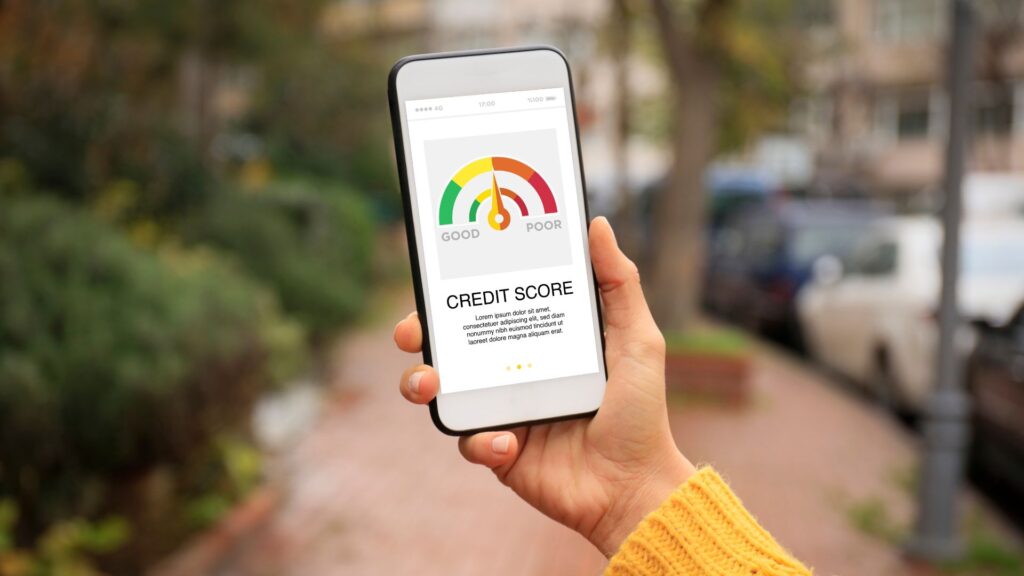
Your credit score is an essential aspect of your financial health. It can determine the interest rate you pay on loans, your ability to obtain credit, and even affect your employment prospects. Most people are aware of the common factors that affect credit scores, such as payment history, credit utilization, and length of credit history. However, there are a few lesser-known factors that could be hurting your credit score. In this blog, we will explore four things you didn’t know could hurt your credit score and how 360 Credit Consulting can help you improve your credit score.
At 360 Credit Consulting, we want to help you improve your financial and credit stability. That’s why we offer free credit and financial education resources and FAQs so you can better understand credit score and credit reporting processes. If you have any questions, give us a call!

Applying for Too Much Credit
Many people make the mistake of applying for too much credit at once, thinking that it will increase their chances of approval. Every time you apply for credit, it generates a hard inquiry on your credit report. Too many hard inquiries can signal to lenders that you are a high-risk borrower and can lower your credit score. To avoid this, limit your credit applications to only what you need and can afford.

Closing Credit Accounts
Closing a credit account may seem like a good idea, especially if you are trying to reduce your debt. However, this can also hurt your credit score. Closing a credit account reduces your overall credit limit, which can increase your credit utilization rate. This rate is calculated by dividing the amount of credit you are using by the amount of credit you have available. A higher credit utilization rate can lower your credit score. Instead of closing accounts, try to pay off your debts and keep your accounts open — and use them at least once a month to keep the line of credit open — as this can positively impact your credit score.

Forgetting to Pay Small Bills
Paying your bills on time is one of the most critical factors in determining your credit score. However, many people overlook small bills such as library fines, parking tickets, and medical bills. These bills may seem insignificant, but they can still be reported to credit bureaus and hurt your credit score. Make sure to pay all your bills on time, no matter how small they may seem.
Not Checking Your Credit Report
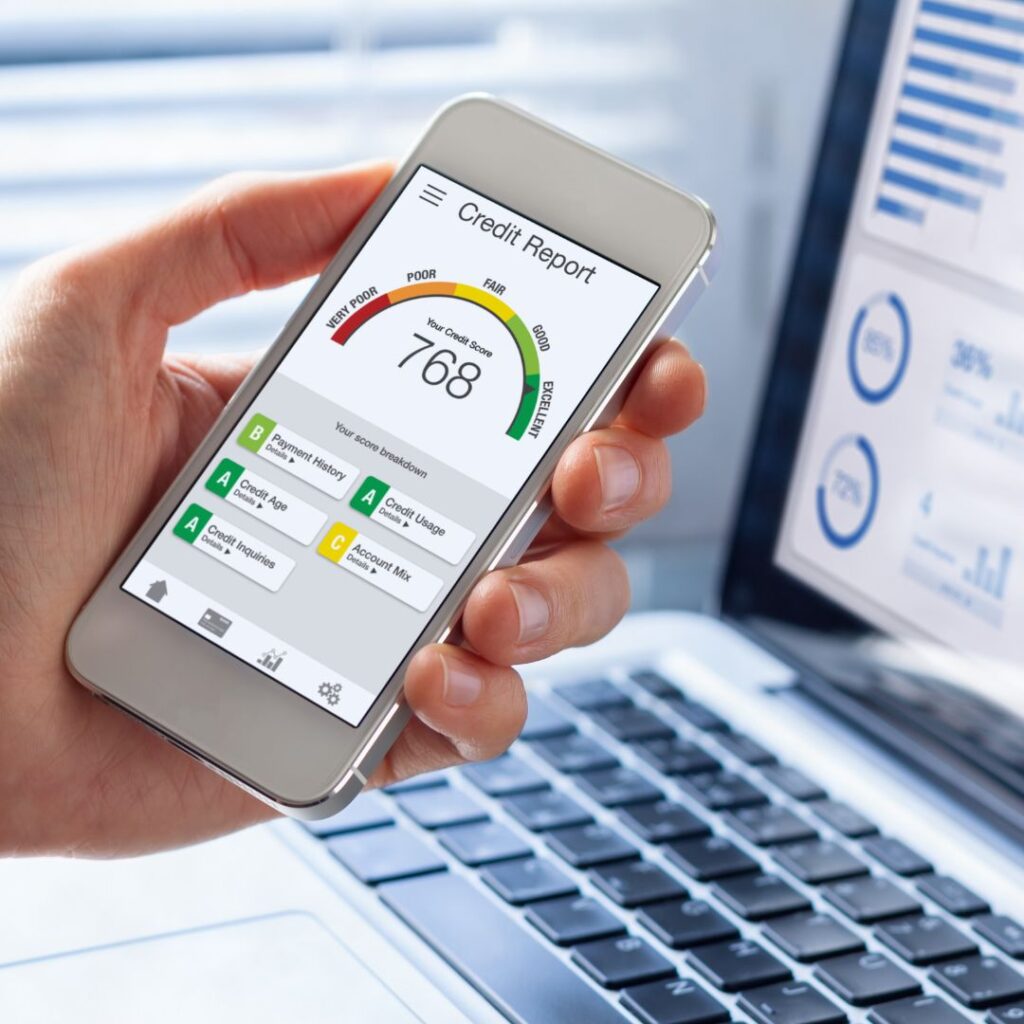
Your credit report is a summary of your credit history and is used to calculate your credit score. But it’s not uncommon for errors to occur on credit reports. These errors can include incorrect personal information, closed accounts reported as open, and incorrect payment information. These errors can negatively impact your credit score. To avoid this, it is essential to check your credit report regularly and dispute any errors you find.
If you are unsure of where to look for errors or want an expert to take a look to ensure all errors or inaccuracies are found, 360 Credit Consulting provides credit restoration services to find the inaccuracies and improve your credit score. Also, with our free credit analysis, our team of experts can take a look into your credit history and reports to analyze your credit and guide you on a path to better credit.
Your credit score is a crucial factor in your financial health. By avoiding the four things discussed in this blog, you can improve your credit score and increase your financial options. 360 Credit Consulting is here to help you with financial assistance and credit consulting. Contact us today to learn more about how we can help you improve your credit score and achieve your financial goals.
NEWSLETTER SIGNUP
We Specialize in All Your Credit Needs
What is 360 Credit?

360 Credit Consulting can help you save! Are you trying to get credit approval? Improving your credit will save you thousands of dollars each year with better interest rates.

Do you know what’s reporting on your credit report? Do you know what can make it better or worse? Do you know how to maintain a good credit score? Take advantage of our free educational resources and start saving money today.

Don't let a few bumps in the road hurt your financial future. Errors and inaccuracies on your credit are costly, and you might not even be aware of them. We find them and help you remove them.

We can help calculate a realistic time frame for you to achieve the results you want. 360 Credit Consulting analyzes your credit and guides you through the process.